Saturday, May 14, 2011

Understanding Thyroid Symptoms and Solutions

(A)When Your Thyroid Goes Awry
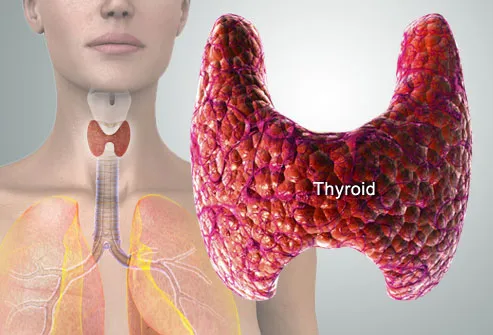
Does fatigue drag you down day after day? Do you have brain fog, weight gain, chills, or hair loss? Or is the opposite true for you: Are you often revved up, sweaty, or anxious? Your thyroid gland could be to blame. This great regulator of body and mind sometimes goes haywire, particularly in women. Getting the right treatment is critical to feel your best and avoid serious health problems.

(B)What Is the Thyroid Gland?

The thyroid is a butterfly-shaped gland in the front of the neck. It produces hormones that control the speed of your metabolism -- the system that helps the body use energy. Thyroid disorders can slow down or rev up your metabolism by disrupting the production of thyroid hormones. When hormone levels become too low or too high, you may experience a wide range of symptoms.

(C)Symptoms

1. Symptom: Weight Gain or Loss

An unexplained change in weight is one of the most common signs of a thyroid disorder. Weight gain may signal low levels of thyroid hormones, a condition called hypothyroidism. In contrast, if the thyroid produces more hormones than the body needs, you may lose weight unexpectedly. This is known as hyperthyroidism. Hypothyroidism is far more common.

2. Symptom: Swelling in the Neck

A swelling or enlargement in the neck is a visible clue that something may be wrong with the thyroid. A goiter may occur with either hypothyroidism or hyperthyroidism. Sometimes swelling in the neck can result from thyroid cancer or nodules, lumps that grow inside the thyroid. It can also be due to a cause unrelated to the thyroid.

3. Symptom: Changes in Heart Rate

Thyroid hormones affect nearly every organ in the body and can influence how quickly the heart beats. People with hypothyroidism may notice their heart rate is slower than usual. Hyperthyroidism may cause the heart to speed up. It can also trigger increased blood pressure and the sensation of a pounding heart, known as heart palpitations.

4. Symptom: Changes in Energy or Mood

Thyroid disorders can have a noticeable impact on your energy level and mood. Hypothyroidism tends to make people feel tired, sluggish, and depressed. Hyperthyroidism can cause anxiety, problems sleeping, restlessness, and irritability.

5. Symptom: Hair Loss

Hair loss is another sign that your thyroid hormones may be out of balance. Both hypothyroidism and hyperthyroidism can cause hair to fall out. In most cases, the hair will grow back once the thyroid disorder is treated.

6. Symptom: Feeling Too Cold or Hot

Thyroid disorders can disrupt the ability to regulate body temperature. People with hypothyroidism may feel cold more often than usual. Hyperthyroidism tends to have the opposite effect, causing excessive sweating and an aversion to heat.

Other Symptoms of Hypothyroidism

Hypothyroidism can cause many other symptoms, including:
  • -Dry skin and brittle nails
  • -Numbness or tingling in the hands
  • -Constipation
  • -Heavy menstrual periods

Other Symptoms of Hyperthyroidism

Hyperthyroidism can also cause additional symptoms, such as:
  • Muscle weakness or trembling hands
  • Vision problems
  • Diarrhea
  • Irregular menstrual periods

(D)Thyroid Disorder or Menopause?

Because thyroid disorders can cause changes in your menstrual cycle and mood, the symptoms are sometimes mistaken for menopause. If a thyroid problem is suspected, a simple blood test can determine whether the true culprit is menopause or a thyroid disorder – or a combination of the two.


(E)Test & Diagnose

Who Should Be Tested?

Everyone should be screened for thyroid dysfunction every five years, beginning at age 35, according to the American Thyroid Association. People with symptoms or risk factors may need tests more often. Hypothyroidism more frequently affects women over age 60. Hyperthyroidism is also more common in women and in people over 60. A family history raises your risk of either disorder.

Thyroid Neck Check

A careful look in the mirror may help you spot an enlarged thyroid that needs a doctor's attention. Tip your head back, take a drink of water, and as you swallow, examine your neck below the Adam's apple and above the collarbone. Look for bulges or protrusions, then repeat the process a few times. See a doctor promptly if you see a bulge or lump.
Diagnosing Thyroid Disorders

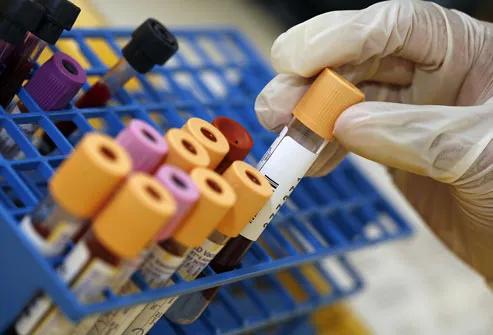
If your doctor suspects a thyroid disorder, a blood test can help provide an answer.  This test measures the level of thyroid stimulating hormone (TSH), a kind of master hormone that regulates the work of the thyroid gland. If TSH is high, it typically means that your thyroid function is too low (hypothyroid).  If TSH is low, then it generally means the thyroid is overactive (hyperthyroid.) Your doctor may also check levels of other thyroid hormones in your blood. In some cases, imaging studies are used and biopsies are taken to evaluate a thyroid abnormality.

(F)Hypothyroidism


Hashimoto's Disease
The most common cause of hypothyroidism is Hashimoto's disease. This is an autoimmune disorder in which the body attacks the thyroid gland. The result is damage to the thyroid, preventing it from producing enough hormones. Hashimoto's disease tends to run in families.

Other Causes of Hypothyroidism
In some cases, hypothyroidism results from a problem with the pituitary gland, which is at the base of the brain. This gland produces thyroid-stimulating hormone (TSH), which tells the thyroid to do its job. If your pituitary gland does not produce enough TSH, your levels of thyroid hormones will fall. Other causes of hypothyroidism include temporary inflammation of the thyroid or medications that affect thyroid function.

(G)Hyperthyroidism


Graves' Disease
The most common cause of hyperthyroidism is Graves' disease. This is an autoimmune disorder that attacks the thyroid gland and triggers the release of high levels of thyroid hormones. One of the hallmarks of Graves' disease is a visible and uncomfortable swelling behind the eyes.

Other Causes of Hyperthyroidism
Hyperthyroidism can also result from thyroid nodules. These are lumps that develop inside the thyroid and sometimes begin producing thyroid hormones. Large lumps may create a noticeable goiter. Smaller lumps can be detected with ultrasound.

(H)Thyroid Disorder Complications

When left untreated, hypothyroidism can raise your cholesterol levels and make you more likely to have a stroke or heart attack. In severe cases, very low levels of thyroid hormones can trigger a loss of consciousness and life-threatening drop in body temperature. Untreated hyperthyroidism can cause serious heart problems and brittle bones.

(I)Treatment

Treating Hypothyroidism
If you are diagnosed with hypothyroidism, your doctor will most likely prescribe thyroid hormones in the form of a pill. This usually leads to noticeable improvements within a couple of weeks. Long-term treatment can result in more energy, lower cholesterol levels, and gradual weight loss. Most people with hypothyroidism will need to take thyroid hormones for the rest of their lives.

Treating Hyperthyroidism

The most common treatment for hyperthyroidism is antithyroid medication, which aims to lower the amount of hormones produced by the thyroid. The condition may eventually go away, but many people need to remain on medication for the long term. Other drugs may be given to reduce symptoms such as rapid pulse and tremors. Another option is radioactive iodine, which destroys the thyroid gland over the course of 6 to 18 weeks. Once the gland is destroyed, or removed by surgery, most patients must begin taking thyroid hormones in pill form.

Surgery for Thyroid Disorders

Removing the thyroid gland can cure hyperthyroidism, but the procedure is only recommended if antithyroid drugs don't work, or if there is a large goiter. Surgery may also be recommended for patients with thyroid nodules. Once the thyroid is removed, most patients require daily supplements of thyroid hormones to avoid developing hypothyroidism.

(J)What About Thyroid Cancer?

Thyroid cancer is uncommon and is among the least deadly. The main symptom is a lump or swelling in the neck, but less than 10 % of thyroid nodules turn out to be cancerous. When thyroid cancer is diagnosed, it is most often treated with surgery followed by radioactive iodine therapy or external radiation therapy.  


Wednesday, March 16, 2011

I.C.A :4TH PART –INTRACRANIAL PART

Bismillah..I just suddenly want to establish the details here in this blog..and, the complete table draft you all can download by clicking here: >>...linking...<<    

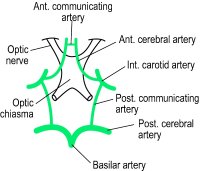
CIRCULUS ARTERIOSUS of WILLIS 


INTERNAL CAROTID ARTERY :4TH PART –INTRACRANIAL PART  


BR
(In Subarachnoid Space)

Course point

Area Supply


OPHTHALMIC ARTERY
Enter optic canal below optic nerve
Orbit

POST. COMMU. ARTERY
Communicating with Post. Cerebral Artery 


ANTERIOR CHOROIDAL ARTERY

·         Pass backward along optic tract around cerebral peduncle as far as LGB
·         Enter Inf horn of Lat Ventricle


-          Choroid plexus of Lat Ventricle
-          Optic tract
-          LGB
-          Internal Capsule;(post part of post limb,retrolentiform,sublentiform)

Terminal BR (Below Ant Perforated Subs.)


ANTERIOR CEREBRAL ARTERY
Reaching Median Longitudinal Fissure:
·         Pass forward & medially above optic chiasma

Reaching Medial surface of cerebral hemisphere:
·         Bend forward in the fissure & turn sharply upwards to reach the surface
·         Lies below the rostrum
·         Runs in callosal sulcus

End:
          ·         Above Splenium by turning upwards infront of parieto-occipital sulcus
1.       Cortical br:
-          Med.  surface of hemisphere (from frontal pole to parieto-occipital sulcus).
-          Upper 1’’ breadth of Lat. surface (as far as upper end of parieto-occipital sulcus).
-          Med. 1/2 of Orbital surface of frontal lobe.

2.       Central br:
-          Anterior part of corpus callosum
-          Anterior part of Ant. limb of Internal Capsule
-          Septal region (including SeptumLucidum)

3.       Callossal br:
              -          All corpus callosum EXCEPT                           splenium.


MIDDLE               CEREBRAL ARTERY

         ·        Pass Lat. in stem of lateral sulcus
         ·         Turn backwards & upwards in Post. Ramus of Lat. sulcus (crossing over Insula).


1.       Cortical br:
-          Lat. surface of cerebral hemisphere EXCEPT  ;
i)1 inch breadth  along Sup. border,
ii) Lat. surface of Occipital lobe.
iii) narrow strip on the temporal lobe close to Inf. border.

2.       Central br: (may include Chorcots Artery)
                   -          Corpus Striatum
                   -          Internal Capsule;(Post 1/2                           of Ant limb & Ant part of                           Post limb).   


Friday, December 24, 2010

Anatomy dan Student


'Antara Anatomy dan Study'

..Bismillahhirrahmaanirrahiim..

..Assalamualaikum/kunna..

Saya sangat pasti jika anda belajar anatomy, anda akan berhadapan dengan buku2 teks yang ber'volume'2...dan ini menjadi satu lumrah kebiasaan bagi mereka yang menceburi bidang MEDIC ini...sama lah juga bagi insan yang menaip di sini..~huahaha

Bak kata senior2, "I've been there."...dan ku akui agak susah untuk mengingati (bukan hafal erk) 'term2' MeDIC dalam BI, apatah lagi dalam Bahasa Latin!! Demikian itu, terdetik rasa di hati ini nak berkongsi tentang bagaimana diri ku ini mendalami ilmu Anatomy...

....dan tidak ku malu untuk mengatakan bahawa diri ku banyak mengambil cara2 dan teknik2 daripada orang lain bagi memperkemas sistem pembelajaran ku yang pada asalnya pun agak berterabur...maklum lah, diri ku masih dalam proses pematangan lagi ketika ini..~huhu

Kumpul punya kumpul, akhirnya ku temui jalan2 yang 'simple' dan paling asas sekali...


First Step : Visualization 

"Most people better learn anatomy by seeing how human body performs"


Kebenaran penyataan di atas telah terbukti berdasarkan pemerhatian terhadap rakan2 satu 'badge' ku...namun, lebih baik sekiranya seseorang itu memilih konsep pembelajarannya yang bersesuaian dengan personalitinya...

Namun demikian, ku cadangkan supaya belajar lebih kepada konsep gambaran, jujur ku katakan, kebanyakan pelajar kurang menyukai timbunan buku2 tanpa ada gambar2 untuk diperjelaskan kandungannya..soalnya sekarang, bagaimana??...Anda boleh belajar melalui buku2 ATLAS ataupun dengan software2 yang berlapis2 tersusun dalam rangkaian cyber zaman ini....ataupun, nak nampak 'advanced' skit, LUKIS SeNDIRI LAH..~huhu  


Namun, pendekatan kita dalam bidang MeDIC ini lagi manis rasanya jika digauli sekali dengan unsur2 hakikat Islam itu sendiri...contohnya dalam Embryology, bagaimana pada kaca mata kita sebagai seorang Muslim mempelajari proses2 kejadian manusia yang telah beratus ribu tahun terkandung dalam Al-Furqan??.... contoh video pembelajaran:


Second Step : Memorize In your Own Creativity 

"It is easier to memorize unfamiliar terms if you create certain rules"

'Rules' boleh ku tafsirkan kepada perkataan 'perATURan'...maksudnya, kaedah kita sendiri..dan ini bergantung kepada kreativiti individu masing2...

...contohnya seperti Peta Minda, lakar Jadual, menggariskan rangkaian2 vector dan etc dalam cubaan kita untuk memudahkan proses pembelajaran dan sekaligus mengingatinya dengan lancar dan sistematik...[ Latin + BI = my language ]...

....sistem ni pun Ok asalkan menepati cita rasa kita..dan ini sedikit sebanyak dapat memberi perangsang kepada kita untuk memperbanyak lagi bentuk2 'karya' kita untuk setiap topik yang berlainan...

"In another words, creating such rules and groups to memorize the terms can tremendously increase efficiency of your study of anatomy."..huhu, trust me...=D


Third Step : Take Self Tests 

"If repetitison is the mother of a skill then self test is father of the skill."


Oleh itu, amat bagus sekali pada mereka yang tidak memisahkan rangkaian ini :

STUDY ====>TEST

Semasa belajar, amat penting sekali bagi individu itu memeriksa setiap daripada langkah2 sistem pembelajarannya ....demikian itu, tidak hairan lah banyak kuiz2 serta latihan2 bagi mereka yang mempelajari Anatomy ini...khulasafnya, buatlah latih tubi walau sedikit...kerana Allah swt akan menilai setiap detik dan minit bagi hambaNya yang berusaha untuk kemajuan diri dan agama...

...Cukup setakat itu sahaja penulisan ku..sekadar 3 langkah yang mana telah menjadi asas dalam pembelajaran Anatomy berdasarkan pengalaman pengamal2 perubatan di sekitar dunia dan Mesir...

..Yang paling penting, BETULKAN NIAT dan perbanyakkan amalan2 kebaikan..InsyAllah..dipermudahkanNya... 

~wasalam~


4th Ventricle


Site : between = Ant : pons & upper part of medulla
Post : cerebellum

Shape : tent-shaped (side), diamond-shaped (behind)


Boundaries : Above & Lat = Sup cerebellar peduncle
                    Below & Lat = Inf cerebellar peduncle, Cuneate and Gracile tubercles

Angles : 
  • upper angle
  • lower angle 
  • Rt & Lt lateral angles


Floor : diamond-shaped
  • Upper pontine part : Facial colliculus, Median eminence, Pontine vestibular area, Sup fovea
  • Lower medullary part : Vagal trigone, Hypoglossal trigone, Vestibular area, Inf fovea  

Roof :

 a) Upper part => med border 2 sup cerebellar peduncles & sup medullary velum

 b) Lower part => 

         1) upper area : nodule of cerebellum & inf medullary velum on each side
    
        2) lower area : ependyma & pia mater, invaginated by choroid plexus
                                       
 *lowest part : F. of Magendi which open to subarachnoid space* 

 c) Recesses => Median recess, 2 Lat recesses ( open to subarachnoid space by F. of Luschka ) 


Connections : 
  • Upper angle : aqueduct of sylvius => connect 4th ventricle to 3rd ventricle
  • Lower angle : central canal of closed medulla => connect 4th ventricle to central canal of spinal cord
  • Roof : F. of Magendi & F. of Luschka => connect 4th ventricle to subarachnoid space    


Interpeduncular Fossa

Shape : rhomboidal-shaped space

Site : central region of the base of the brain

Boundaries : Ant = optic chiasma
                    Ant-Lat = optic tracts
                    Post-Lat = cerebral peduncle
                    Post = upper border of pons


Contents : 
  • Tuber cinereum
  • Infundibulum
  • 2 mamillary bodies
  • Post perforated substance
  • C3 nerve

Relations : 
  • Circle of willis (overlies the fossa)
  • 3rd ventricle (above it)
  • Pituitary gland (below it)
  • Ant perforated substance (anterolateral to it)


::


: